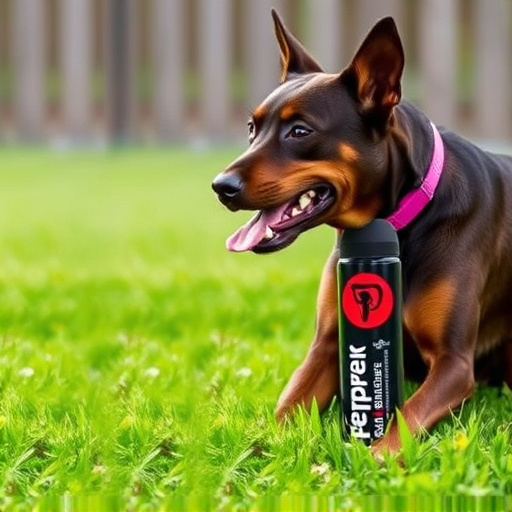
Safety Features in Canine Repellent: Protecting Spaces with Responsible Solutions
Introduction
In an era where human-animal interactions are becoming increasingly complex, ensuring safe coexistence is a paramount concern. This article delves into the critical aspect of canine repellent technology, focusing on its safety features and their profound impact on various sectors. "Safety Features in Canine Repellent" refers to the innovative mechanisms and guidelines designed to prevent harm while effectively deterring dogs from accessing specific areas. This comprehensive exploration will guide readers through the historical evolution, global reach, economic implications, technological innovations, regulatory frameworks, and future prospects of this essential field. By the end, it is expected that readers will gain a profound understanding of the multifaceted role these repellents play in creating safer environments.
Understanding Safety Features in Canine Repellent: A Definition and Its Components
Canine repellent systems are designed to manage and control dog access to specific locations, be they public spaces, agricultural areas, or residential properties. These repellents employ a range of safety features aimed at minimizing potential risks associated with deterrents. Key components include:
- Non-toxic Formulations: The primary focus is on developing chemical compounds that are safe for both dogs and humans, eliminating the need for harmful substances.
- Sensory Deterrents: Utilizing visual, auditory, or olfactory cues to startle or disorient dogs without causing them harm. Examples include reflective materials, motion-activated sounds, or specific scents.
- Controlled Release Mechanisms: Ensuring that repellents are deployed only when triggered, minimizing environmental contamination and potential secondary exposure.
- Targeted Application: Precise placement of repellents to protect high-risk areas while avoiding unnecessary coverage, reducing waste and ecological impact.
- User Safety: Incorporating features like easy-to-use applications, clear instructions, and minimal risk of injury for users.
- Eco-friendly Designs: Developing products that are biodegradable or do not persist in the environment, ensuring minimal ecological disruption.
The concept of safety in canine repellents has evolved significantly over time, driven by advancements in scientific understanding and ethical considerations. Historically, traditional methods involved repellents with toxic ingredients, leading to health issues for dogs and humans. Modern approaches prioritize non-toxic alternatives, setting a new standard for industry practices.
Global Impact and Trends: A Diverse Landscape
The global market for canine repellent systems is shaped by diverse cultural norms, environmental conditions, and regulatory frameworks. Key trends include:
-
Regional Variations: North America and Europe lead in technological innovation, with a strong focus on eco-friendly products. Asia-Pacific markets, particularly Japan and South Korea, excel in sensory-based repellents, leveraging advanced technology. While emerging economies like India and Brazil are witnessing growth in basic, cost-effective solutions.
-
Urbanization and Human-Dog Interaction: Rapid urbanization increases dog-human interactions in shared spaces, driving demand for effective yet safe repellents. This trend is particularly notable in metropolitan areas where real estate is scarce, and public spaces are heavily utilized.
-
Agricultural Expansion: In rural areas, the need for protecting crops from dog damage has led to the adoption of specialized agricultural repellents. These products often employ natural ingredients and are designed for minimal environmental impact.
-
Regulatory Compliance: Stringent regulations in Europe and North America have prompted manufacturers to invest heavily in research and development, resulting in safer and more effective repellents. This trend is expected to continue as regulatory bodies worldwide enhance standards.
Economic Considerations: Market Dynamics and Impact
The economic landscape of canine repellent systems is dynamic, influenced by market demand, production costs, and global supply chains. Here's an overview:
| Economic Aspect |
Description |
| Market Size |
The global market size for canine repellents was valued at USD 250 million in 2021 and is projected to grow at a CAGR of 6% from 2022 to 2030. |
| Growth Drivers |
Increasing urbanization, rising pet ownership, and growing awareness of safe coexistence contribute to market expansion. |
| Regional Performance |
North America dominates the market, followed by Europe and Asia-Pacific. Emerging markets in Latin America and the Middle East are expected to witness significant growth. |
| Investment Patterns |
Research and development in green chemistry and advanced technology attract substantial investments, driving innovation. |
| Cost Structure |
Production costs vary based on ingredients, technology, and application methods. Eco-friendly products often command premium pricing. |
| Economic Impact |
The industry supports job creation, particularly in R&D, manufacturing, and distribution sectors. It also contributes to agricultural productivity by reducing crop losses. |
Technological Advancements: Revolutionizing Safety Features
Technological innovations play a pivotal role in enhancing the safety and effectiveness of canine repellents. Key developments include:
- Smart Sensors: Integration of advanced sensors allows for real-time monitoring of dog activity, triggering repellents only when needed. This technology is particularly useful in urban settings.
- Bio-based Repellents: Researchers are exploring natural compounds derived from plants and bacteria to create biodegradable repellents with minimal environmental impact.
- Digital Application Systems: Apps that allow users to remotely control and monitor repellent devices offer enhanced convenience and safety.
- AI-driven Analysis: Artificial intelligence can analyze dog behavior patterns, predicting and preventing problem areas, and optimizing repellent deployment.
- Nanotechnology: Nanoparticles can deliver repellents more efficiently, reducing the required amount and potential environmental risks.
Regulatory Frameworks: Ensuring Safety and Quality
Regulatory bodies worldwide are instrumental in setting standards for canine repellent safety and efficacy. Key considerations include:
- Ingredient Approval: Strict regulations govern the use of chemical compounds to ensure they are safe for dogs, humans, and the environment.
- Product Testing: Repellents undergo rigorous testing for effectiveness, user safety, and environmental impact before market approval.
- Labeling and Instructions: Clear labeling with detailed instructions is mandatory to ensure proper usage and minimize risks.
- Compliance and Monitoring: Regulatory agencies monitor the market for compliance, addressing any safety concerns promptly.
Future Prospects: A Vision for Safe Coexistence
The future of canine repellent systems is poised for significant growth and innovation, driven by technological advancements and evolving societal needs. Potential trends include:
- Personalized Repellents: Customized solutions tailored to specific dog behaviors and environments, offering enhanced effectiveness.
- AI-integrated Solutions: Further integration of artificial intelligence in monitoring and predictive analytics will revolutionize repellent deployment.
- Eco-friendly Dominance: As environmental consciousness grows, eco-friendly repellents are expected to capture a larger market share.
- Global Standardization: Harmonizing regulations worldwide will create a more uniform market, improving product safety and quality.
- Community Engagement: Collaborative efforts between manufacturers, regulatory bodies, and communities will foster safer interactions between dogs and humans.
Conclusion: A Critical Role in Modern Society
"Safety Features in Canine Repellent" technology is not merely about repelling dogs but ensuring safe, harmonious coexistence in an increasingly shared world. The continuous development of non-toxic, effective repellents reflects a commitment to environmental stewardship and human-animal welfare. As global communities navigate the challenges of urban expansion, agricultural productivity, and pet ownership growth, these repellents will play an indispensable role in creating safer, more inclusive environments for all.
November 17, 2025
Safety Features in Canine Repellent
Dog pepper spray, utilizing capsaicin, offers non-lethal self-defense against aggressive canines wit.......
Read more →
November 15, 2025
Safety Features in Canine Repellent
Mail carriers face dog attack risks, requiring effective canine repellents with natural ingredients.......
Read more →
November 13, 2025
Safety Features in Canine Repellent
Mace dog deterrents using UV dye and mace spray offer a safe, effective solution for managing canine.......
Read more →
November 11, 2025
Safety Features in Canine Repellent
Dog aggression, a complex issue, requires multifaceted prevention. Training, socialization, exercise.......
Read more →
November 10, 2025
Safety Features in Canine Repellent
Preventing dog attacks demands a multi-faceted approach combining Safety Features in Canine Repellen.......
Read more →
November 8, 2025
Safety Features in Canine Repellent
Dog spray, or canine repellent, manages aggressive behavior with various active ingredients, from py.......
Read more →
November 5, 2025
Safety Features in Canine Repellent
Dog spray, a popular canine repellent, offers safe, effective protection for residential areas. Mode.......
Read more →
November 4, 2025
Safety Features in Canine Repellent
Dog repellent sprays use capsaicin, citrus oils, and other natural ingredients to deter dogs. Safety.......
Read more →
November 1, 2025
Safety Features in Canine Repellent
Dog pepper spray, utilizing capsaicin, offers protection against aggressive dogs. Modern formulation.......
Read more →
October 31, 2025
Safety Features in Canine Repellent
Canine repellents with safety features deter aggressive dogs and wildlife, prioritizing pet and user.......
Read more →
October 28, 2025
Safety Features in Canine Repellent
Dog attacks are preventable through understanding aggressive behaviors and employing safety features.......
Read more →
October 27, 2025
Safety Features in Canine Repellent
Canine behavior heavily relies on their sense of smell, making safety features in repellents crucial.......
Read more →
October 25, 2025
Safety Features in Canine Repellent
Advanced canine repellents with safety features offer effective protection against unwanted animal e.......
Read more →
October 23, 2025
Safety Features in Canine Repellent
Traditional animal deterrents pose safety risks, but a growing market offers safe alternatives, focu.......
Read more →
October 21, 2025
Safety Features in Canine Repellent
Dogs may exhibit aggression for various reasons, requiring understanding of canine behavior to preve.......
Read more →
October 19, 2025
Safety Features in Canine Repellent
Dog deterrent sprays, using capsaicin and pyrethrins, irritate dogs' senses for protection. Saf.......
Read more →
October 17, 2025
Safety Features in Canine Repellent
Police-grade canine pepper spray combines advanced safety features and potent formulas to control ag.......
Read more →
October 14, 2025
Safety Features in Canine Repellent
Choosing safe and effective canine repellents requires understanding capsaicin's burning effect.......
Read more →
October 12, 2025
Safety Features in Canine Repellent
Canine pepper spray utilizes capsaicin to deter dogs, with safety features including lower concentra.......
Read more →
October 10, 2025
Safety Features in Canine Repellent
Prioritizing safety with natural oils like citronella, peppermint, and capsaicin in canine repellent.......
Read more →
October 8, 2025
Safety Features in Canine Repellent
Dog pepper spray, formulated with capsaicin and natural compounds, offers safe protection for jogger.......
Read more →
October 6, 2025
Safety Features in Canine Repellent
Dog deterrent sprays provide humane, effective solutions for keeping dogs away from specific areas u.......
Read more →
October 4, 2025
Safety Features in Canine Repellent
Dog aggression driven by fear, territory, or trauma can be managed through understanding triggers an.......
Read more →
October 2, 2025
Safety Features in Canine Repellent
Understanding canine behavior is key when choosing dog deterrent sprays with Safety Features in Cani.......
Read more →
September 30, 2025
Safety Features in Canine Repellent
Mail carriers face dog bite risks, but advanced canine repellent systems with safety features offer.......
Read more →
September 28, 2025
Safety Features in Canine Repellent
Dog attack spray is a powerful personal safety tool with advanced safety features like quick-release.......
Read more →
September 26, 2025
Safety Features in Canine Repellent
Dog spray, using capsaicin, safely deters aggressive canines without permanent harm. Postal workers.......
Read more →
September 24, 2025
Safety Features in Canine Repellent
Dog deterrent spray coverage ranges from 10 to 25 feet, influenced by wind and active ingredient con.......
Read more →
September 22, 2025
Safety Features in Canine Repellent
Creating a safe and effective dog deterrent spray demands attention to key safety features, includin.......
Read more →
September 20, 2025
Safety Features in Canine Repellent
Dog attacks are often triggered by fear, territoriality, or unexpected provocations. Mace, a non-let.......
Read more →
September 18, 2025
Safety Features in Canine Repellent
Canine aggression requires a multifaceted approach, focusing on understanding causes and using safe,.......
Read more →
September 16, 2025
Safety Features in Canine Repellent
Animals, especially dogs, require effective yet safe repellents. Modern formulations use non-toxic,.......
Read more →
September 14, 2025
Safety Features in Canine Repellent
Dog pepper spray, utilizing capsaicin, offers non-lethal defense against aggressive dogs, providing.......
Read more →
September 12, 2025
Safety Features in Canine Repellent
The Mace Brand Animal Defense Spray is a non-lethal, pet-safe repellent using capsaicin and other ch.......
Read more →
September 10, 2025
Safety Features in Canine Repellent
Dog spray, using capsaicin and natural oils, offers self-defense against aggressive dogs. Safety fea.......
Read more →
September 8, 2025
Safety Features in Canine Repellent
Canine repellents use essential oils or synthetic compounds for scent barriers. Effective natural in.......
Read more →
September 6, 2025
Safety Features in Canine Repellent
Canine repellents enhance safety with various types offering ease of use, specific targeting, and ec.......
Read more →
September 4, 2025
Safety Features in Canine Repellent
Dog spray, using capsaicin from chili peppers as an active ingredient, is a safe and effective deter.......
Read more →
September 2, 2025
Safety Features in Canine Repellent
Mace dog deterrents leverage non-toxic oleoresin capsicum (OC) to safely stimulate pain receptors in.......
Read more →